Step-by-Step Guide to Designing an Industrial Office


Creating an office that blends raw style with functionality has become one of the most popular interior design trends in recent years. Industrial office design stands out for its bold aesthetics, open layouts, and focus on practicality. It’s not just about exposed pipes or concrete walls—it’s about building a workspace that inspires creativity, collaboration, and comfort.
In this step-by-step guide, we’ll walk you through everything you need to know to plan and design an industrial-style office that feels modern, efficient, and welcoming.
Understanding Industrial Office Design
Industrial office design takes inspiration from old factories and warehouses. It focuses on raw, unfinished materials like brick walls, wooden beams, concrete floors, and metal fixtures. The goal is to create a space that feels authentic and grounded—showcasing structure rather than hiding it.
This design style is perfect for companies that value openness, creativity, and a relaxed atmosphere. It combines minimalism with strong character, making it both functional and visually appealing.
Step 1: Plan the Layout with Purpose
Open Floor Concept
An open layout is a key element in industrial office design. It removes unnecessary partitions, creating a free-flowing workspace where communication and teamwork thrive. Arrange desks in clusters or zones based on departments to improve collaboration while keeping the area spacious and uncluttered.
Dedicated Zones
While open layouts encourage teamwork, every office also needs quiet areas for focused work. Design small cabins or soundproof pods with glass walls to maintain transparency and natural light. You can also include breakout areas, lounges, and a pantry to create a balanced environment.
Step 2: Choose the Right Color Palette
The typical industrial palette features neutral and earthy tones—think greys, blacks, browns, and whites. These colors set the foundation for the design, allowing metal and wood accents to shine.
Accent Colors
Add a pop of color using muted blues, olive greens, or burnt oranges to bring warmth and personality. A little contrast can make the workspace feel more dynamic without losing the industrial feel.
Step 3: Select Raw and Natural Materials
Materials define the industrial aesthetic. Instead of covering surfaces, showcase them.
Exposed Brick Walls: Add character and texture.
Concrete Floors: Durable and easy to maintain.
Metal Fixtures: Ideal for lighting, furniture legs, and frames.
Reclaimed Wood: Perfect for desks, shelves, and wall panels.
Mixing these materials gives your workspace a balanced look—both rugged and refined.
Read More : Top Corporate Office Interior Design Trends
Step 4: Lighting Makes All the Difference
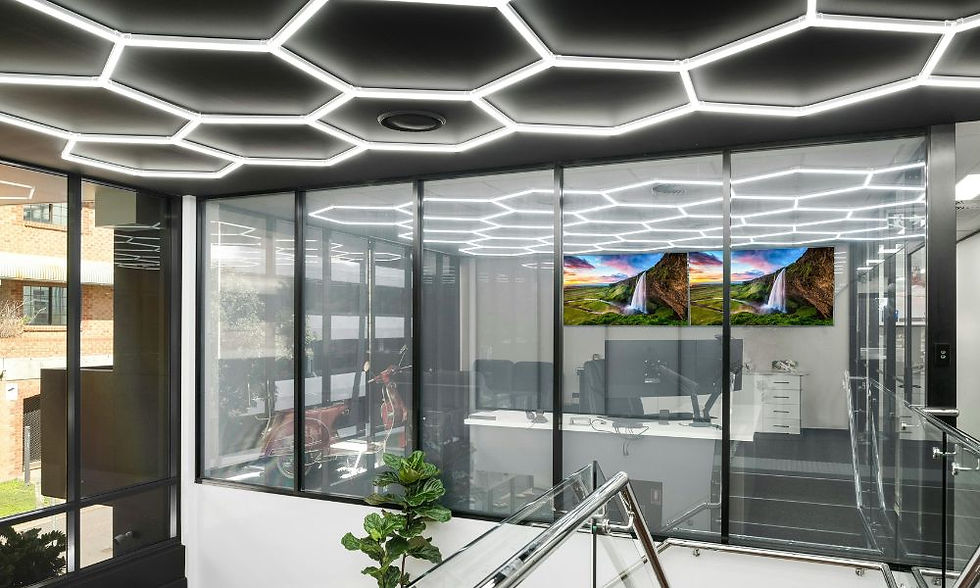
Lighting plays a big role in setting the right mood. In industrial offices, it’s all about function and form.
Natural Lighting
Maximize natural light by using large windows and open spaces. It helps employees feel more energetic and focused.
Industrial Fixtures
Choose metal pendant lights, exposed bulbs, or cage lamps to highlight the industrial theme. Warm lighting creates a comfortable atmosphere while maintaining the raw aesthetic.
Step 5: Incorporate Functional Furniture
Furniture in industrial office design should be simple, sturdy, and ergonomic. Avoid overly decorative pieces. Instead, go for furniture that combines wood and metal with clean lines.
Workspace Furniture Ideas
Wooden desks with black steel frames
Adjustable office chairs with leather or mesh
Open shelving units for easy organization
Reclaimed wood tables in meeting rooms
These pieces not only add to the style but also make the space functional and comfortable.
Step 6: Add Creative and Personal Touches
A workplace should reflect your company’s personality. Industrial doesn’t mean cold—it can be warm and inspiring when styled correctly.
Art and Decor
Use abstract art, vintage posters, or motivational quotes on raw brick walls. Add indoor plants for a touch of greenery and freshness.
Textures and Layers
Layer rugs, soft cushions, or fabric curtains to soften the space visually. These small details help balance the roughness of industrial elements.
Step 7: Focus on Lighting Efficiency and Sustainability
Sustainability is an important part of modern workspace design. Choose energy-efficient LED lighting, use natural ventilation, and invest in eco-friendly materials.
Why It Matters
An eco-conscious design not only reduces operational costs but also aligns with the growing demand for sustainable business practices. Many commercial interior design firms today emphasize green building materials and energy-efficient systems in their projects.
Step 8: Plan for Technology Integration
Even with a vintage-inspired design, your office should still support modern technology. Hide wires using cable management systems, and integrate charging ports into desks or meeting tables.
Smart lighting and climate control systems can also enhance efficiency and comfort in the workspace.
Step 9: Collaborate with Experts
While DIY planning can be exciting, working with professionals ensures precision and creativity. Experienced commercial interior design firms understand space planning, lighting balance, and furniture selection that fit your brand’s personality and budget.
They can help you make design decisions that are practical, visually appealing, and aligned with your company’s work culture.
Additional Design Tips for Industrial Offices
Use Statement Lighting Fixtures
Industrial pendant lights or metal chandeliers can become the centerpiece of your design.
Keep It Clutter-Free
Minimalism is key. Use smart storage solutions to maintain a tidy workspace.
Add Texture Through Flooring
Polished concrete or distressed wood flooring enhances the industrial vibe while remaining durable.
Highlight Ceiling Details
Exposed beams, pipes, and ducts can be left visible to emphasize the raw and functional beauty of the space.
Benefits of Industrial Office Design
Modern and timeless look that appeals to employees and clients alike.
Cost-effective materials—industrial design often reuses or repurposes elements.
Improved creativity and collaboration in open, airy layouts.
Low maintenance—raw finishes and minimal décor require less upkeep.
Conclusion: Turning Raw Spaces into Modern Work Hubs
Designing an industrial-style office is about finding the perfect balance between raw structure and modern comfort. By focusing on open layouts, natural materials, efficient lighting, and functional furniture, you can transform a simple workspace into a place that truly inspires innovation.
When done right, industrial office design not only enhances productivity but also strengthens your brand identity. It reflects authenticity, creativity, and confidence—all essential qualities for a growing business.
Whether you’re renovating an old warehouse or starting fresh, remember—great design doesn’t just look good; it makes people feel good too.


Comments